Creating a Practical Diabetes-Friendly Grocery List
Build a flexible grocery list around familiar meals, budget, storage, and useful staples instead of relying on specialty diabetes foods in everyday context.
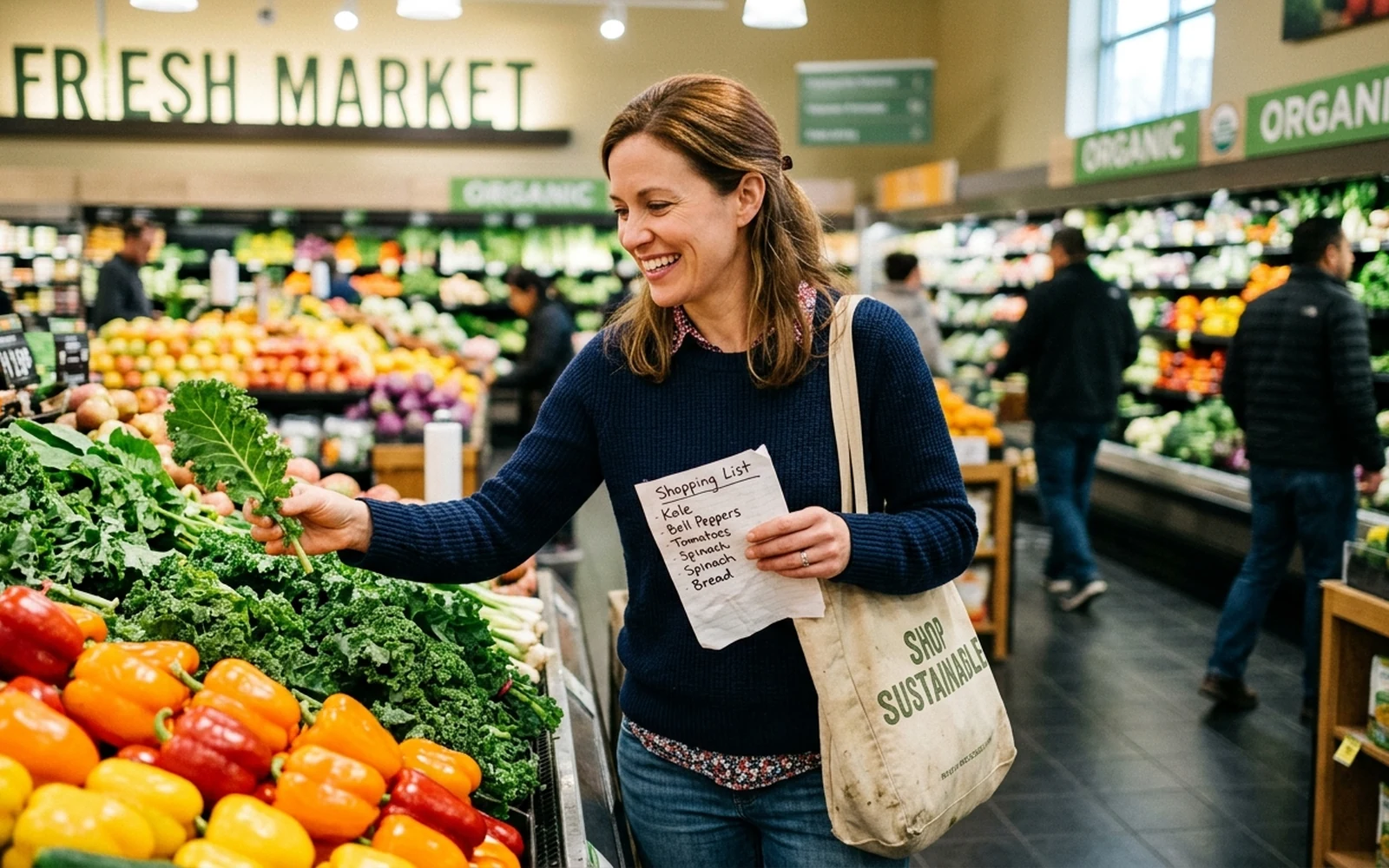
A practical grocery list starts with the meals a household will actually prepare, not a collection of foods marketed for diabetes. It accounts for budget, culture, storage, transportation, cooking equipment, appetite, and the number of people eating. A mix of fresh, frozen, canned, dried, and convenient foods can all contribute. Organizing the list by meal building blocks and store sections reduces decisions, supports food safety, and makes room for enjoyable foods rather than presenting shopping as a search for perfect products.
Work backward from familiar meals
Choose several breakfasts, lunches, dinners, and snacks that fit the coming week. Check the pantry, freezer, and refrigerator before listing ingredients. Planning from meals prevents buying disconnected “healthy” items that later spoil and reveals where one ingredient can serve more than one dish.
Leave room for leftovers, social meals, and unpredictable days. A schedule with seven elaborate dinners is rarely necessary. Two cooked meals, a leftover night, a quick assembly meal, and flexible pantry options may fit better. The structure should reduce burden, not turn food planning into a rigid contract.
List flexible building blocks
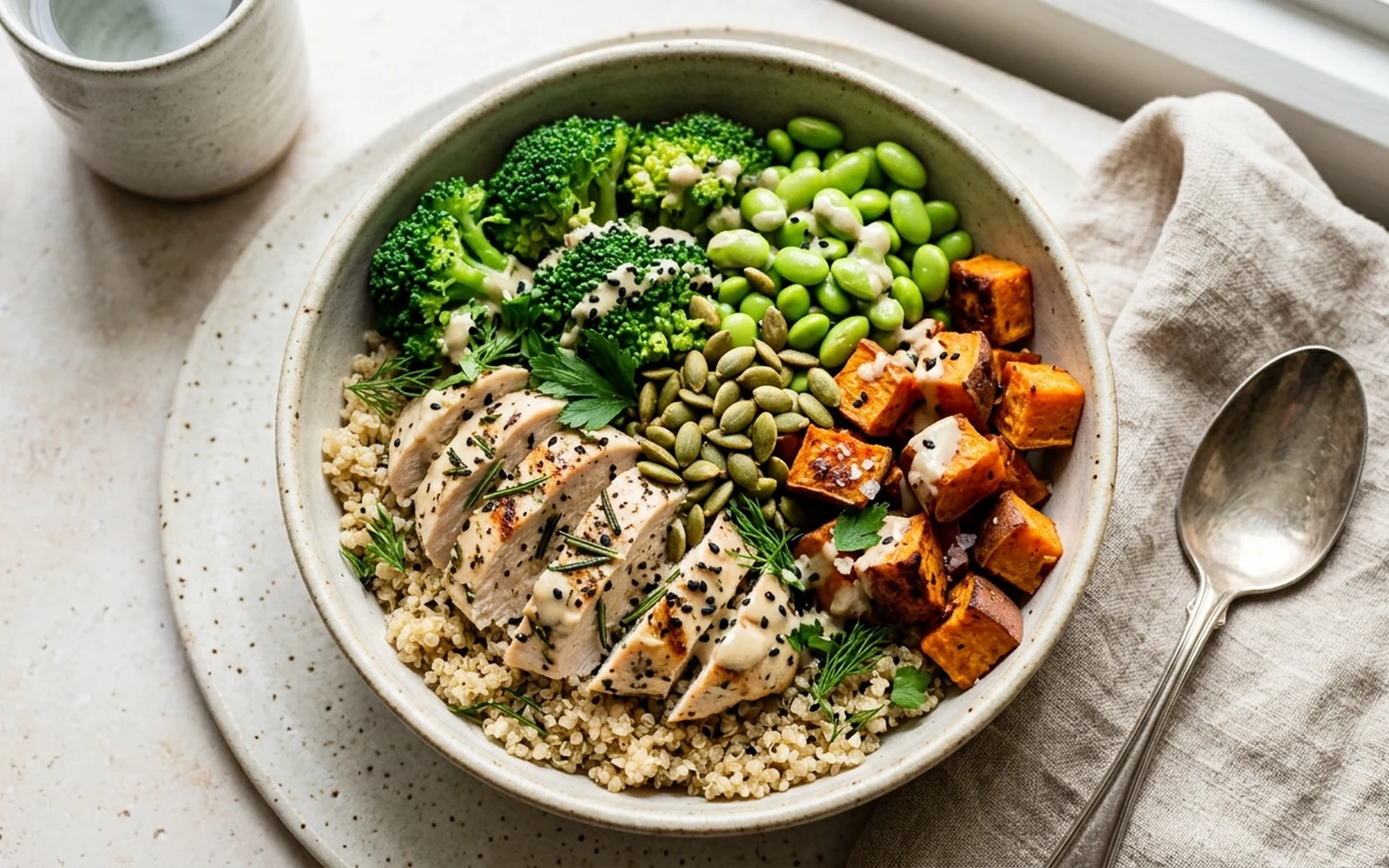
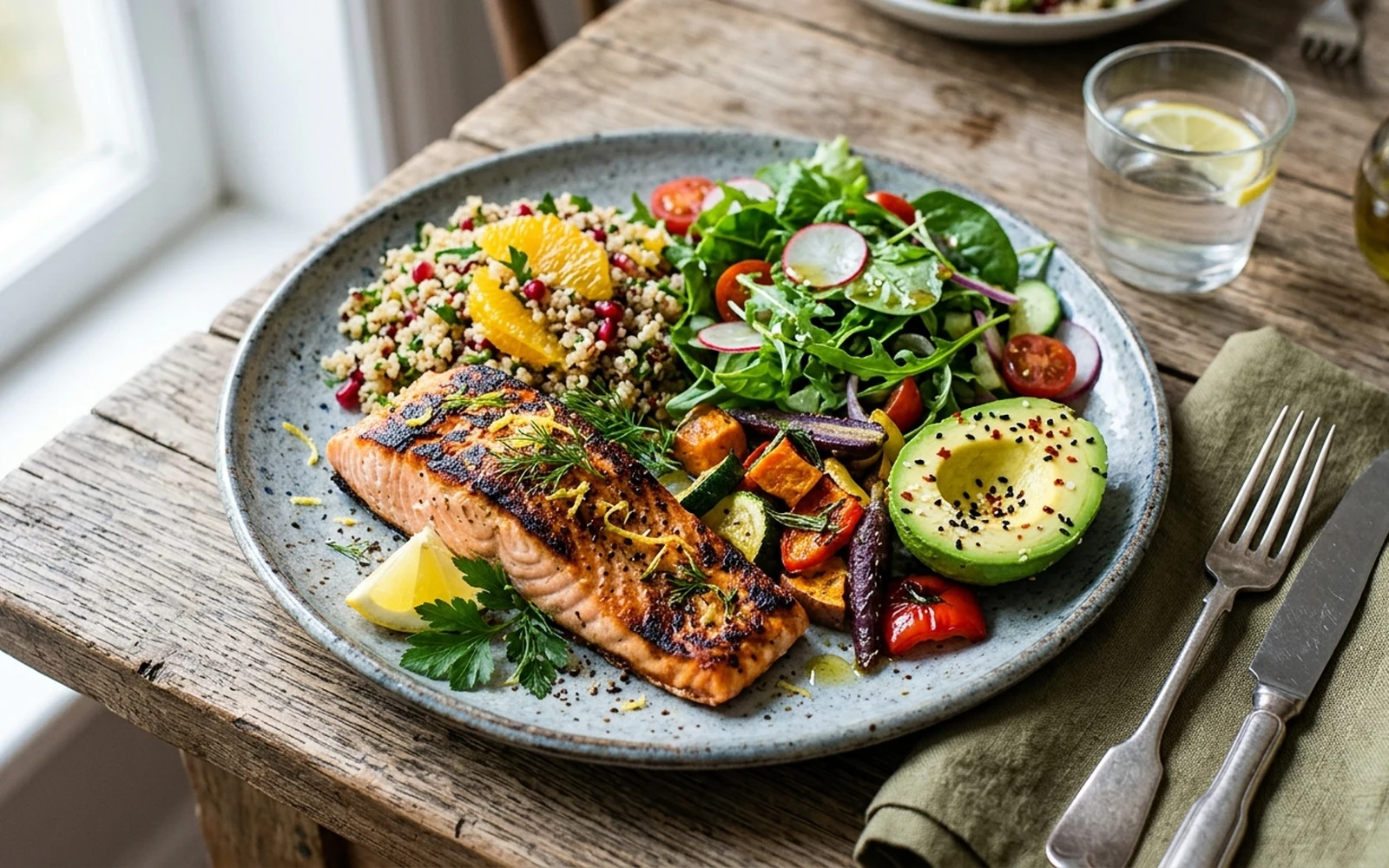
Useful categories include vegetables, fruit, grains or starchy foods, beans or lentils, protein foods, dairy or alternatives, unsaturated fats, flavorings, and beverages. These categories can combine in many ways. Foods often belong to multiple categories, and cultural staples can remain at the center of the plan.
Examples might include frozen vegetables, apples, oats, tortillas, brown or white rice, canned beans, eggs, fish, chicken, tofu, yogurt, nuts, oil, herbs, and salsa. This is not a required list. Allergies, kidney health, digestive needs, preferences, and household traditions determine which items make sense.
Use all forms of food
Frozen produce can reduce waste and requires little preparation. Canned beans, vegetables, fish, and fruit can provide economical shelf life. Dried staples are often affordable when cooking time and equipment are available. Fresh items add texture and variety. Nutrition quality cannot be determined simply by whether a food is fresh.
Read serving size, Total Carbohydrate, fiber, added sugar, sodium, protein, and ingredients when those fields relate to personal goals. Compare similar portions. Rinsing some canned foods may remove surface sodium, but product instructions and dietary needs matter. Convenience products can be worth the cost if they prevent skipped or unsafe meals.
Plan for budget and access
Set a spending range, review store prices, and prioritize ingredients used in several meals. Store brands, seasonal produce, larger packages, and bulk bins may help, but only when the food will be used safely before spoilage. A smaller package can be more economical for a one-person household despite a higher unit price.
Food insecurity and limited transportation are health issues, not planning failures. Tell the care team when food runs short or recommended items are unaffordable. Clinics may connect people with community resources, benefits support, or a dietitian familiar with local options. Advice should adapt to access rather than presume unlimited choice.
Create a backup shelf
Keep a few meals that require minimal time and equipment: canned soup with added vegetables and beans, tuna with whole-grain crackers, peanut butter with toast and fruit, or a frozen meal with a vegetable side. Choose options that fit allergies, sodium needs, swallowing safety, and treatment-related timing.
Rotate backup foods into regular use so they do not expire, and replace them on the next list. Individual responses vary; no grocery list promises a particular glucose result. Discuss individual goals with a qualified healthcare professional and coordinate food planning with medicines, monitoring, kidney care, and other personal requirements.
Questions for Your Care Team
These prompts are for a conversation with a qualified healthcare professional. They are not instructions to change a personal care plan.
- Which grocery priorities are most relevant to my health needs and current care plan?
- Can you suggest affordable substitutions for foods that are unavailable or outside my budget?
- Which label fields should I compare for the products my household buys regularly?
- Are there community food, transportation, or nutrition resources that I may qualify to use?
Sources
GlucoContext prioritizes authoritative United States health organizations and peer-reviewed research. External pages are controlled by their publishers.