Eating Out with Carbohydrates in Mind
Use menus, portions, meal timing, and flexible questions to estimate carbohydrates when eating out without expecting perfect information in everyday context.

Restaurant meals can be social, convenient, celebratory, necessary, or simply enjoyable. They can also make carbohydrate information less visible because recipes, portions, sauces, and sides vary. Eating out with carbohydrates in mind does not require perfect calculation or avoiding unfamiliar foods. It means gathering available information, estimating portions, noticing concentrated sources, and keeping timing and treatment safety in view. Flexible planning can reduce surprises while leaving room for culture, preference, and the reason for the meal.
Begin with what is knowable
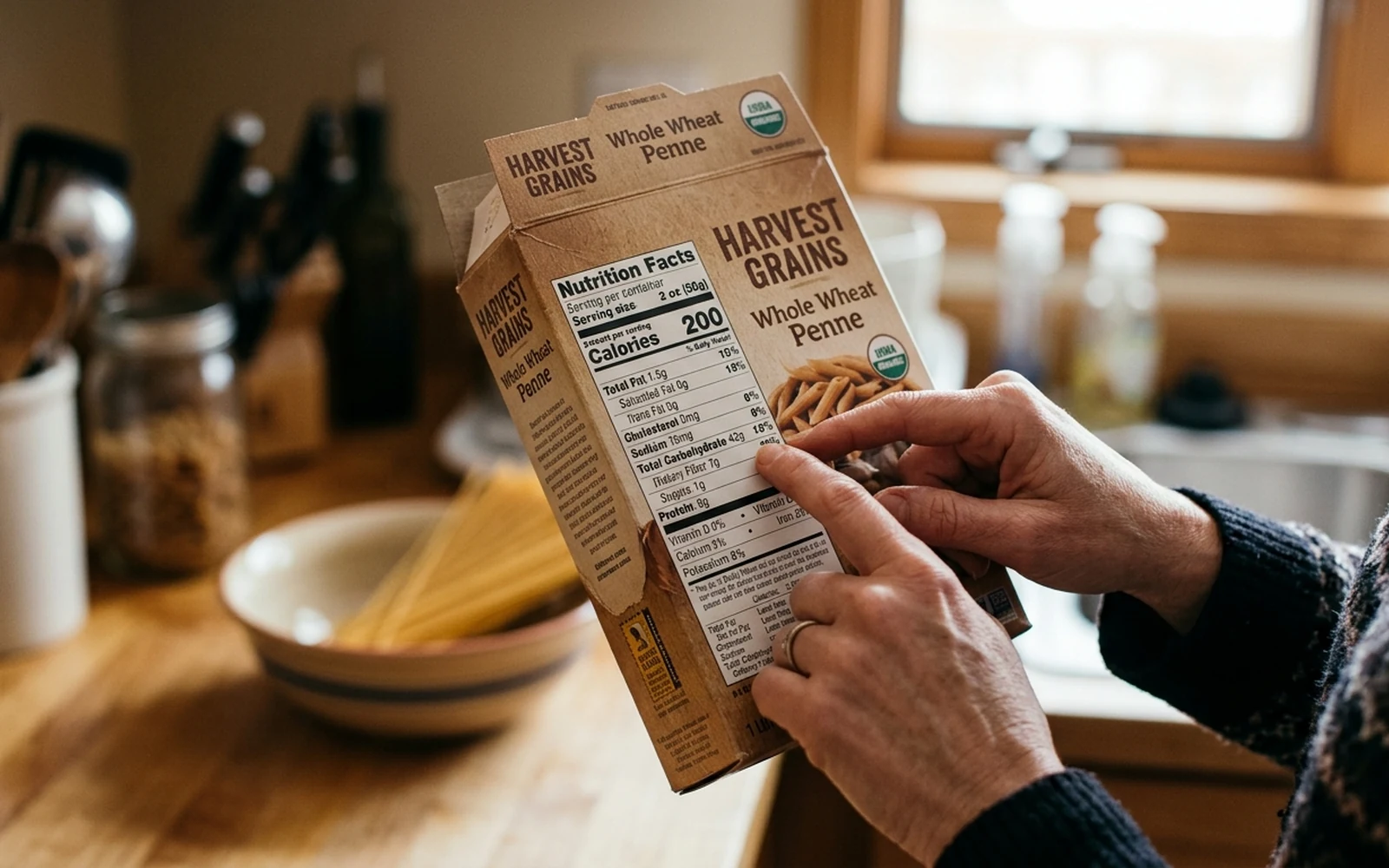
Chain restaurants may publish nutrition information online or in the restaurant, and packaged components may have labels. Independent restaurants may describe ingredients but not quantities. Ask straightforward questions about sides, breading, sauces, sweeteners, and portion size without expecting staff to provide medical guidance or exact carbohydrate calculations.
When no data are available, compare the portion with familiar household measures or similar foods previously discussed with a dietitian. An estimate is not a failure; it is an honest description of limited information. Writing “restaurant estimate” in a log prevents false precision and helps interpret the observation later.
Scan the whole order
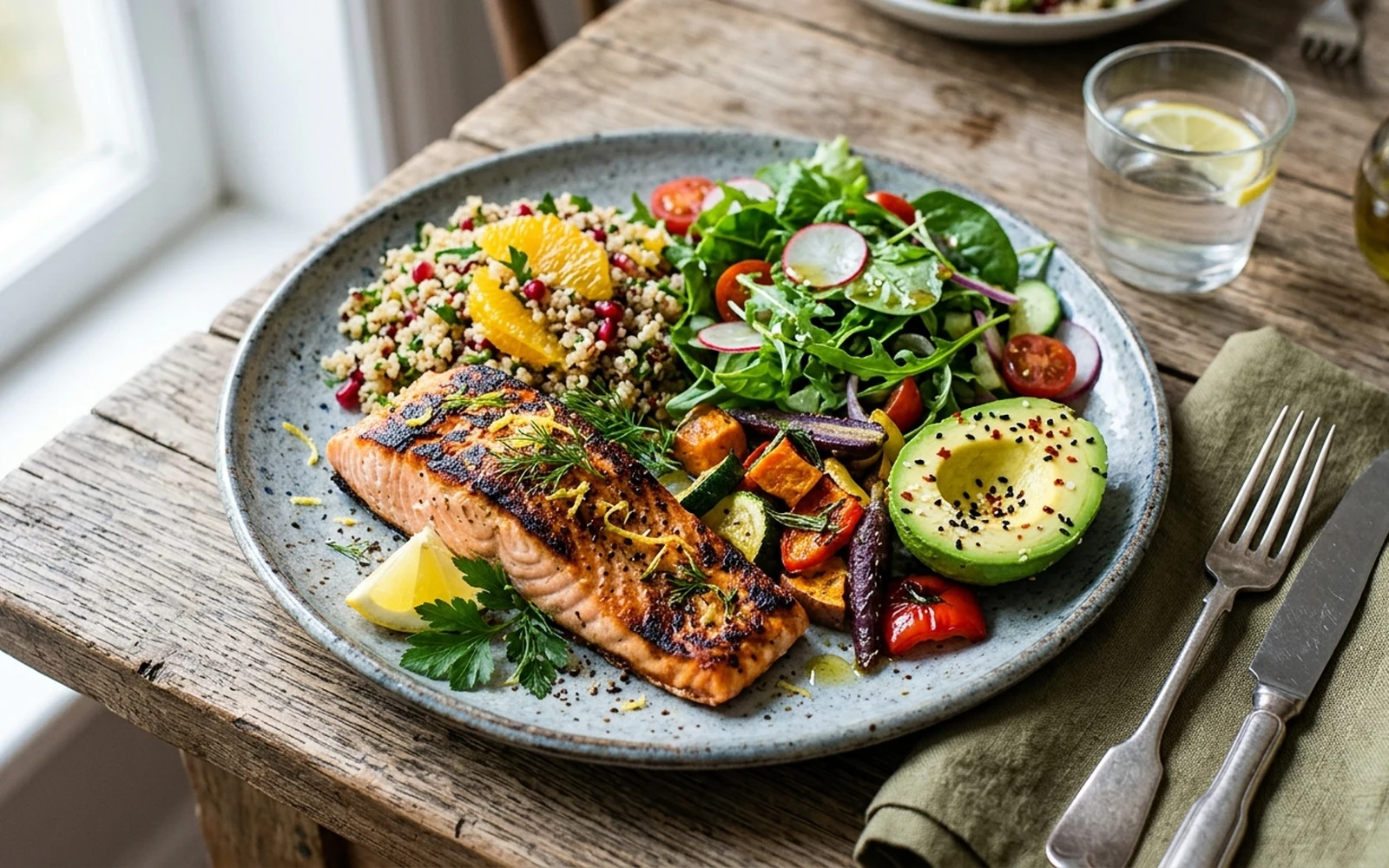
The entrée name may hide several carbohydrate sources. A grilled dish can include a sweet glaze, a sandwich includes bread and perhaps a sweetened condiment, and a salad may include fruit, croutons, beans, or dressing. Side dishes, appetizers, beverages, and dessert also belong to the meal context.
This scan is not a search for forbidden ingredients. It helps identify where portions may be concentrated and which components matter for the personal planning method. Someone may choose to keep all components, substitute one, share something, or make no change. The appropriate choice depends on needs and priorities.
Use flexible portion options
Restaurant servings may be larger than a typical home portion, although this varies widely. A person can request a smaller size, split a meal, box part early, order an appetizer as an entrée, or eat the desired amount and save the rest. None of these is a universal rule or a moral test.
Choose a strategy before hunger and social pressure are strongest if that feels helpful. Alternatively, focus on eating slowly enough to notice satisfaction. Portion awareness should support the meal, not dominate conversation or create shame. People with a history of disordered eating should seek specialized guidance rather than rigid tracking advice.
Plan for timing and uncertainty
Waiting for a table, delayed service, or a long event can shift meal timing. This may matter when a treatment plan is coordinated with food. Ask the care team in advance for individualized instructions for delays, unexpected portions, alcohol, or an inability to finish a meal. Do not invent a medication adjustment at the table.
Carry any supplies, identification, and emergency items specified in the personal plan. Know how to obtain help and tell a trusted companion what support may be needed if desired. Safety preparation can be discreet and allows the social experience to remain central rather than turning the entire meal into a monitoring exercise.
Learn from experience without verdicts
If monitoring is requested, record the restaurant, broad meal components, portion estimate, timing, activity, and anything unusual. One reading after one meal cannot establish that a cuisine or restaurant is unsuitable. Compare only genuinely similar situations and remember that recipes may change between visits.
Individual responses vary, and restaurant food is only one influence. Discuss individual goals with a qualified healthcare professional or registered dietitian. The aim is a flexible toolkit for choices and safety, not a promise of a certain number or pressure to avoid social eating because information is incomplete.
Questions for Your Care Team
These prompts are for a conversation with a qualified healthcare professional. They are not instructions to change a personal care plan.
- What planning method should I use when a restaurant provides no nutrition information?
- How should I follow my personal treatment plan if a meal is substantially delayed?
- Which restaurant portion cues would be most useful for me to practice with a dietitian?
- What safety guidance applies to alcohol, incomplete meals, or unexpected activity in my situation?
Sources
GlucoContext prioritizes authoritative United States health organizations and peer-reviewed research. External pages are controlled by their publishers.