Added Sugar Versus Total Sugar
Learn how Total Sugars and Added Sugars differ on U.S. food labels, what each line includes, and why Total Carbohydrate still matters in context.

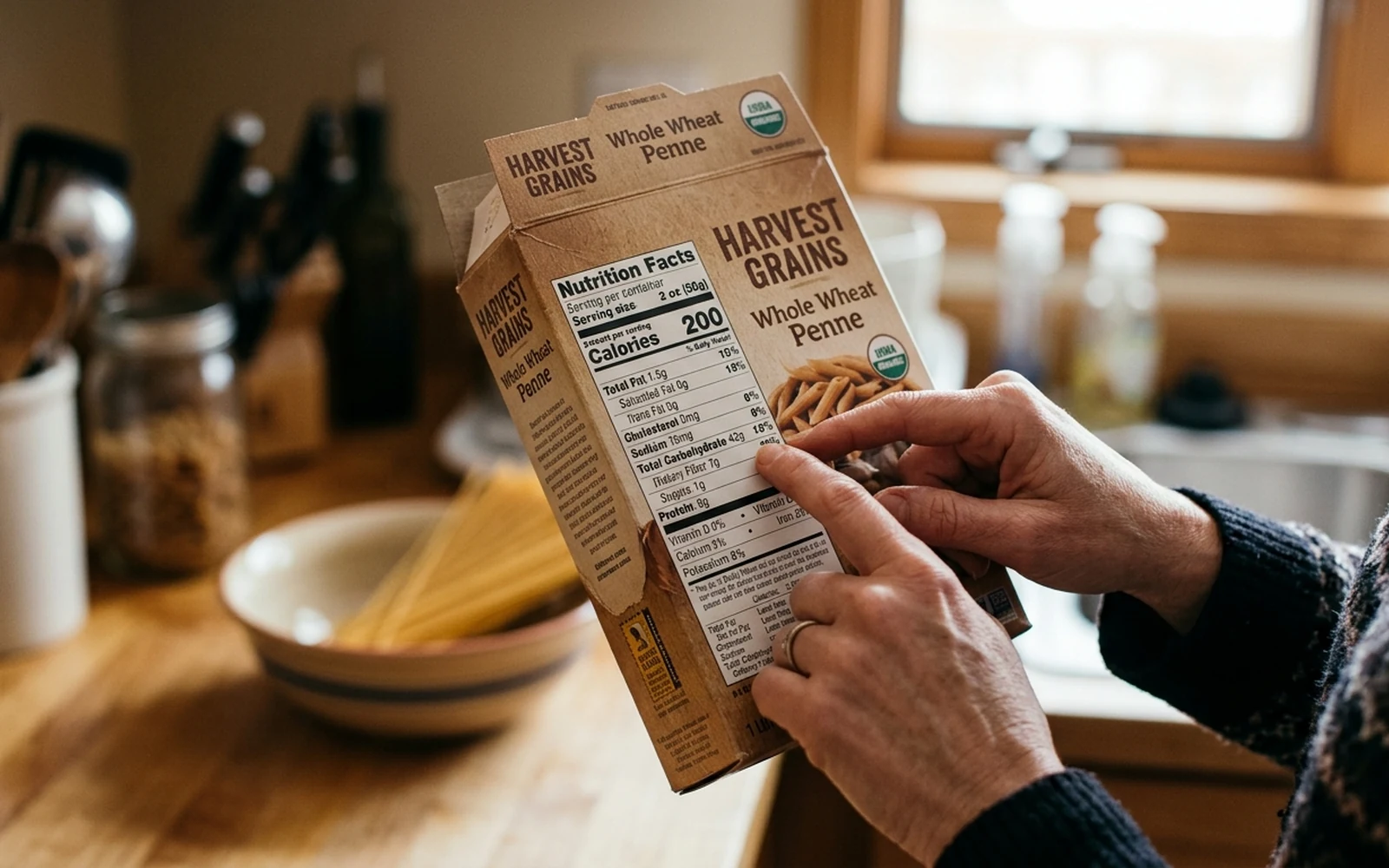
Total Sugars and Includes Added Sugars appear close together on a U.S. Nutrition Facts label, but they answer different questions. Total Sugars includes sugars naturally present in ingredients plus sugars added during processing. Added Sugars identifies the portion added during processing or packaged as certain sweeteners. Neither line represents all carbohydrate in a food. Understanding their relationship can improve product comparisons without dividing foods into simplistic categories or assuming that a lower added-sugar number predicts an individual's glucose response. The distinction is especially helpful when two foods contain natural sugars in different amounts. Plain dairy, fruit products, and sweetened versions may show totals that cannot be understood from the Added Sugars line alone. At the same time, a food with very little sugar may contain starch that contributes to Total Carbohydrate. Reading the nested lines as parts of one label prevents double counting and supports a more complete explanation of what the serving contains.
How the two lines relate
Total Sugars is an indented part of Total Carbohydrate. It reports sugars present in the serving from all sources. The next line, Includes Added Sugars, states how much of that sugar total was added. Added Sugars should not be added again when calculating total carbohydrate because it is already included.
For example, a plain milk product may contain naturally occurring lactose with no added sugar, while a flavored version may contain lactose plus a sweetener. The total and added lines help distinguish that difference. They do not by themselves compare protein, fat, fiber, vitamins, minerals, portion, price, or preference.
What counts as added sugar
Added sugars include sugars put into foods during processing, foods packaged as sweeteners, and sugars from syrups and honey. Certain concentrated fruit or vegetable juices used for sweetness may also count under labeling rules. Ingredient names can vary, which is why the required numeric line is useful for comparison.
Naturally occurring sugars in intact fruit and plain milk are not labeled as added sugars. That distinction describes source, not a promise about an individual's response. Digestion, food structure, portion, and the rest of the meal may influence glucose. The label category is nutritional information, not a clinical prediction.
Why total carbohydrate remains central
Starch can contribute substantial carbohydrate without appearing under Total Sugars. Crackers, bread, rice products, and other starchy foods may have little sugar but meaningful total carbohydrate. Looking only at sugar can therefore miss much of the labeled carbohydrate in a serving. Start with serving size and Total Carbohydrate when that is the care-plan focus.
Dietary fiber is also included in Total Carbohydrate and listed separately. Some people receive individualized guidance about fiber or sugar alcohols, but subtraction rules should not be copied from packaging trends or social media. Ask the care team how, or whether, those details belong in the personal planning method.
Evaluate claims with the full panel
Phrases such as unsweetened, no added sugar, and sugar free have regulated meanings, yet none tells the entire nutrition story. A product with no added sugar may contain naturally occurring sugar or starch. A sugar-free product may use other ingredients and still have calories or carbohydrate. Always verify serving size and numeric values.
Comparing similar foods works best when the portions are equivalent. Place the panels side by side, align the serving amounts, then compare total carbohydrate, fiber, added sugar, protein, sodium, and any nutrients relevant to personal needs. Ingredients, taste, cost, access, and how the food will be used also belong in the decision.
Keep the distinction practical
Added-sugar information can help someone follow broader dietary guidance, while total carbohydrate can support carbohydrate awareness. Those are related but different purposes. A food does not become automatically suitable or unsuitable because one line is low. Meals and overall eating patterns provide context that a single nutrient cannot capture.
Food choices may influence glucose, but individual responses vary. Avoid using label claims to promise a particular result or to make treatment changes. Discuss individual goals with a qualified healthcare professional or registered dietitian who can account for health history, medicines, preferences, culture, food access, and the rest of the diet.
Questions for Your Care Team
These prompts are for a conversation with a qualified healthcare professional. They are not instructions to change a personal care plan.
- How should added-sugar guidance fit with the other nutrition priorities in my plan?
- Do you want me to focus on Total Carbohydrate, Added Sugars, or both when comparing foods?
- How should I interpret fiber or sugar alcohols for my individual situation?
- Can we review two products I commonly buy and compare equivalent serving amounts?
Sources
GlucoContext prioritizes authoritative United States health organizations and peer-reviewed research. External pages are controlled by their publishers.