Glucose Meter Versus Continuous Glucose Monitor
Compare glucose meters and continuous glucose monitors, including what each measures, common limitations, and questions for choosing a tool.
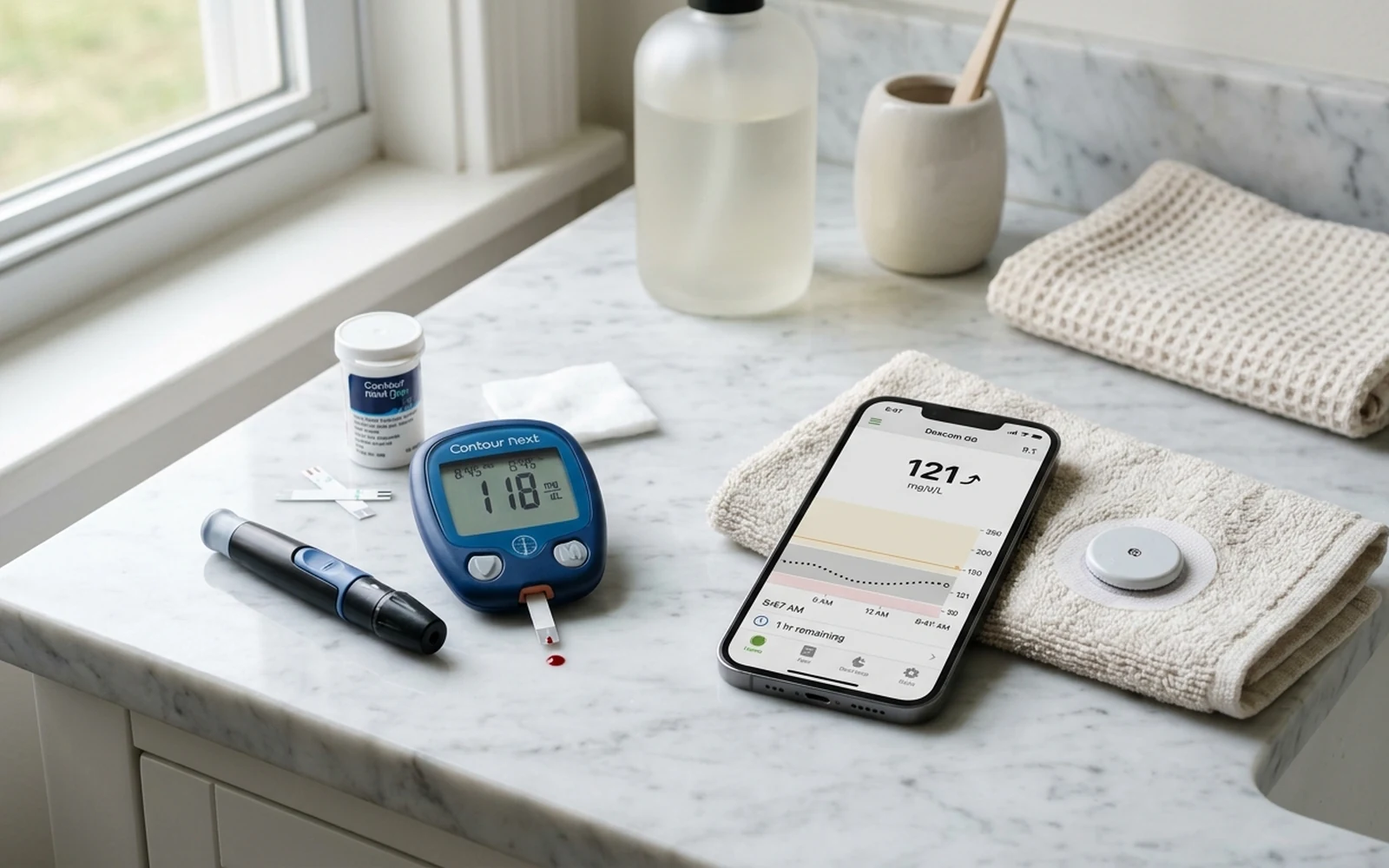
A blood glucose meter and a continuous glucose monitor, often called a CGM, both provide glucose information, but they collect it differently. A meter typically measures glucose in a small blood sample at a chosen moment. A CGM estimates glucose in fluid between cells and supplies readings repeatedly through a sensor. Neither tool is simply a more detailed version of the other. Understanding timing, lag, technique, alerts, access, and personal goals helps people discuss which approach or combination supports their care plan. The practical experience can differ as much as the measurement method. One person may value a small device used only at selected times; another may find trends helpful but notifications distracting. Skin comfort, hand dexterity, visual access, work rules, phone ownership, insurance, and willingness to share data may influence whether a tool is sustainable. These considerations belong beside clinical needs when a patient and care team evaluate monitoring options.
What a meter does
A meter uses a compatible test strip and a small blood sample, commonly from a fingertip, to provide a value at that moment. It requires a deliberate check, which can be useful when the care plan calls for information at specific times. Correct strip storage, clean and dry hands, and proper sample application support reliable use.
Meters differ in features, sample requirements, data sharing, accessibility, and insurance coverage. The device and strip instructions should be treated as the operating reference. If results seem inconsistent or the equipment is damaged or expired, contact the manufacturer or care team as directed rather than improvising a technical fix.
What a CGM does
A CGM sensor sits under or on the skin, depending on the system, and estimates glucose in interstitial fluid. It sends or stores frequent values that can reveal direction, duration, and daily patterns. Some systems provide alerts, while others require scanning. Features and approved uses vary by model.
Because interstitial glucose follows changes in blood glucose with a physiological delay, a CGM and meter may not show the same value, especially when glucose is changing quickly. Sensor startup, pressure on the sensor, placement, adhesion, hydration, and other factors may also influence the user experience. Follow device-specific instructions.
Data volume changes the task
A meter log contains selected moments. A CGM can produce hundreds of estimates in a day, along with graphs and summaries. More data may reveal patterns that occasional checks miss, but it can also create alarm fatigue or a sense that every fluctuation demands explanation. Education helps convert volume into a few useful questions.
Trend arrows indicate a recent direction, not a prediction that is certain to continue. Reports also depend on sensor wear and available data. A clinician can explain which summaries matter for the individual plan and how much information is enough for a decision. Not every wiggle on a graph represents a problem.
Safety depends on the specific system
Some CGM systems and situations require confirmation with a meter before particular decisions; others have different labeling. Symptoms that do not match a device reading also need the response described in the product instructions and personal care plan. General advice cannot replace the rules for the exact device being used.
Alerts should be configured with the care team when appropriate, because personal thresholds and responses are individualized. Do not make medication or treatment changes based on this comparison article. Know where to find sensor support, backup supplies, emergency instructions, and contact information before a device problem occurs.
Choosing through practical questions
Clinical fit is only one part of choosing a tool. Cost, coverage, skin tolerance, dexterity, vision, hearing, phone compatibility, data sharing preferences, work conditions, and comfort with alerts all matter. A device that offers advanced features may still be difficult to use consistently in a particular daily setting.
Ask for hands-on training and a plan for reviewing the information. Discuss who can see shared data and when they are expected to respond. Revisit the choice if needs change. Monitoring technology should serve a defined care purpose, not create a requirement to watch numbers continuously or pursue someone else's goals.
Questions for Your Care Team
These prompts are for a conversation with a qualified healthcare professional. They are not instructions to change a personal care plan.
- Which monitoring method best answers the clinical questions in my current care plan?
- When does my specific device require confirmation or another safety step?
- How should I interpret trend arrows, alerts, and differences between devices?
- What training, coverage, backup supplies, and technical support are available to me?
Sources
GlucoContext prioritizes authoritative United States health organizations and peer-reviewed research. External pages are controlled by their publishers.