Fasting and After-Meal Readings Explained
Understand how fasting and after-meal glucose checks answer different questions, and learn why consistent timing and personal context matter.
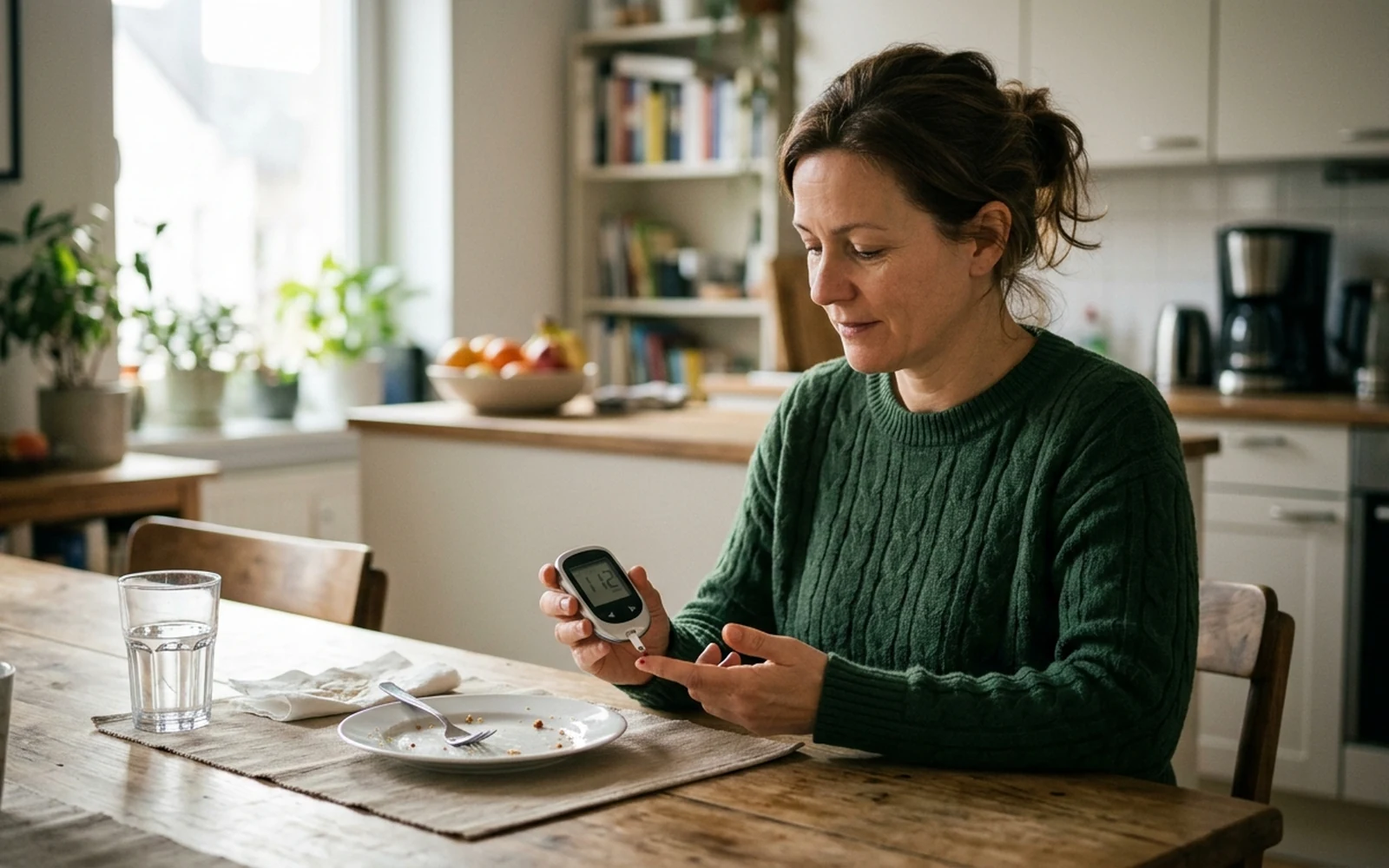
Fasting and after-meal glucose readings are labels for different moments, not competing measures of success. A fasting check looks at a period without recent food, while an after-meal check observes a point during the body's response to eating. Their interpretation depends on timing, the monitoring method, and the individual's care plan. Understanding what each label can and cannot show makes a glucose log easier to organize and helps people ask focused questions without adopting another person's schedule or goals. These labels also describe conditions rather than the complete biology behind a value. A morning described as fasting may follow a late meal, disrupted sleep, an overnight shift, or an illness, while two after-meal checks may follow different starting times and portions. Writing down those differences does not invalidate the observations. It shows which comparisons are reasonable and helps a clinician decide whether a structured follow-up question would add useful information.
What fasting describes
In everyday monitoring, fasting generally describes a check made before eating after a period without caloric intake, often around the start of the day. Clinical tests may use specific preparation instructions. Follow those instructions exactly, because an informal morning check and a laboratory fasting test are not automatically interchangeable.
A fasting value reflects more than the absence of breakfast. Overnight liver glucose release, hormones, sleep, illness, evening routines, and medications may influence the result. That complexity is why a clinician considers repeated observations and medical context rather than assigning a single cause based on the previous meal.
What after-meal describes
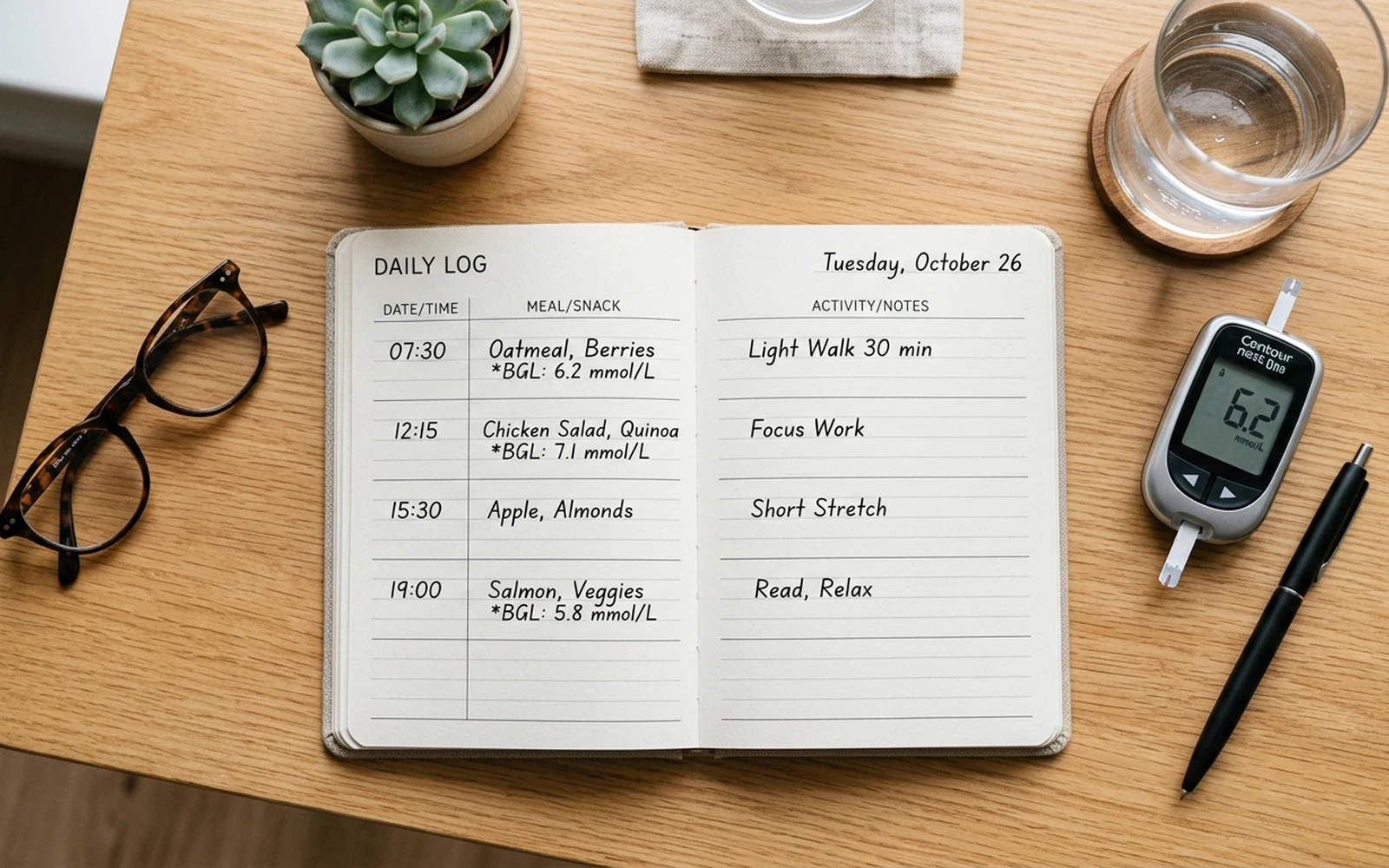
After-meal checks are intended to observe glucose during a defined period following food. The recorded interval matters because a value changes as digestion and glucose use progress. Write down when the meal began and when the measurement occurred according to the plan provided by the care team.
An unlabeled “after lunch” value is difficult to compare if one day it was checked soon after eating and another day much later. Consistent labels do not make biology identical, but they reduce avoidable uncertainty. They also help a professional decide whether apparent differences reflect timing or a repeatable pattern.
Meals are combinations
Carbohydrate amount and type can affect how much glucose becomes available during digestion. Protein, fat, fiber, food form, portion size, and meal sequence may influence the timing and shape of the response. These relationships are not a reason to rank foods morally; they are context for understanding a mixed meal.
The same meal may be followed by different observations on different days because the person and the day are also part of the experiment. Recent movement, stress, sleep, and health status may influence what is seen. A log can preserve these clues without claiming that any one factor caused the outcome.
Make comparisons carefully
A useful comparison might examine several breakfasts eaten at similar times or several mornings with a consistent measurement routine. Comparing fasting values directly with after-dinner values answers no clear question. Before reviewing a page of data, name the situation being compared and verify that the labels support that comparison.
Avoid changing several routines merely to test a theory without professional guidance. Multiple simultaneous changes make patterns harder to interpret and may conflict with care needs. Ask a qualified healthcare professional whether a structured observation would be useful and what should remain consistent while it is being collected.
Keep safety individualized
Public education can explain terms, but it cannot supply personal targets, testing frequency, or responses to particular results. Those decisions depend on diagnosis, health history, treatment, pregnancy status, age, and other factors. Use the thresholds and actions written in the individual care plan, including instructions for symptoms and urgent situations.
If a recurring fasting or after-meal pattern raises concern, share the record with the care team. Include dates, timing, method, relevant context, and questions. Do not adjust medication, skip food, or add strenuous activity based only on a general article. Clinical guidance should connect any next step to the whole person.
Questions for Your Care Team
These prompts are for a conversation with a qualified healthcare professional. They are not instructions to change a personal care plan.
- How do you want me to define and record a fasting check for my monitoring plan?
- From which point should I time an after-meal reading when one is requested?
- Which meal details are useful for our current question, and which can I leave out?
- What recurring observations or symptoms should lead me to contact the care team?
Sources
GlucoContext prioritizes authoritative United States health organizations and peer-reviewed research. External pages are controlled by their publishers.